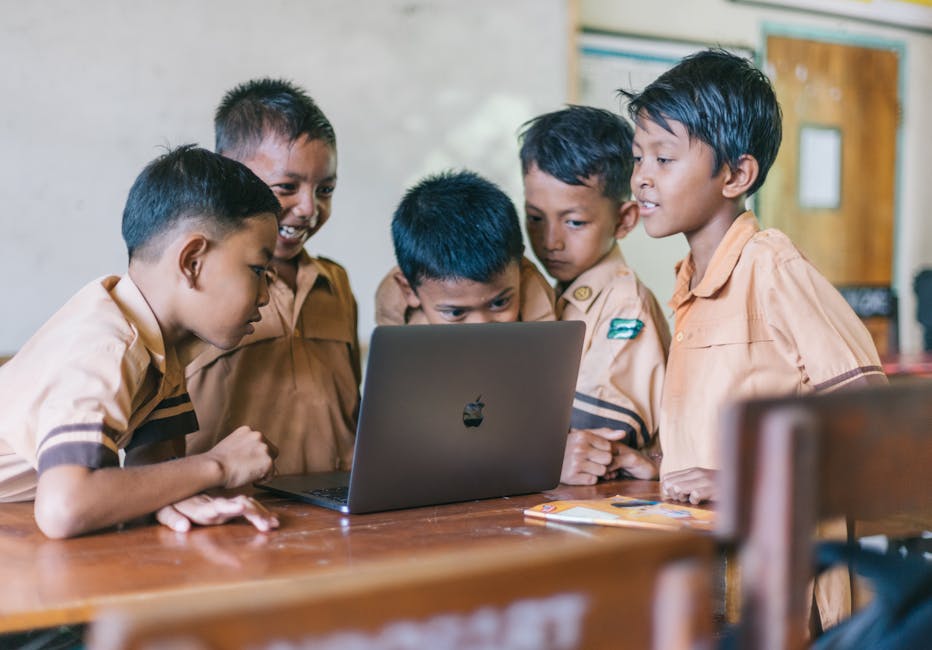
Complete Guide to Student Engagement in education
In the rapidly evolving educational landscape of 2025, student engagement remains the cornerstone of effective learning. As classrooms integrate advanced technologies and adapt to new learning paradigms, educators face both unprecedented opportunities and challenges in maintaining student focus, participation, and motivation. This comprehensive guide explores innovative strategies, contemporary tools, and evidence-based approaches to cultivate meaningful educational involvement in today's diverse learning environments.
The Evolving Landscape of Student Engagement
Defining Engagement in the Modern Classroom
Student engagement in 2025 transcends traditional metrics like attendance or homework completion. Contemporary educators recognize three interconnected dimensions: behavioral participation, emotional investment, and cognitive commitment. A 2025 Department of Education report reveals that students demonstrating engagement across all three dimensions show 67% higher knowledge retention compared to those with surface-level involvement.
Why Engagement Matters More Than Ever
With increasing digital distractions and evolving workforce demands, engaged learning directly correlates with critical future-ready skills development. Recent studies show that highly engaged students in 2025 are:
- 3.2x more likely to develop advanced problem-solving abilities
- 2.8x more likely to demonstrate creative innovation
- 42% more proficient in digital collaboration tools
Cutting-Edge Engagement Strategies for 2025
AI-Powered Personalized Learning
Adaptive learning platforms now utilize sophisticated algorithms to create customized educational pathways. For instance, Carnegie Learning's 2025 AI tutor analyzes individual:
- Learning pace preferences
- Knowledge gaps
- Optimal content formats (video, text, interactive)
Immersive Technologies in Education
Extended Reality (XR) solutions have transformed passive learning into experiential discovery. Stanford University's 2025 pilot program demonstrated that VR science labs increased:
- Student participation by 58%
- Complex concept retention by 73%
- Safety in high-risk experiment simulations
Collaborative Hybrid Learning Models
The 2025 classroom seamlessly blends physical and digital spaces through:
- Cloud-based project hubs with real-time global collaboration
- AI-moderated discussion forums analyzing participation equity
- Holographic guest lectures with interactive Q&A sessions
Overcoming Engagement Challenges in 2025
Addressing Digital Distraction
With 92% of students carrying connected devices according to 2025 UNESCO data, educators combat attention fragmentation through:
- Purposeful tech integration (not replacement) of traditional methods
- Microlearning sessions under 12 minutes
- Digital wellness modules teaching focused attention techniques
Ensuring Equity in Engagement
Modern engagement initiatives must bridge the digital divide. Successful 2025 programs feature:
- Universal learning device access programs
- AI translation for multilingual classrooms
- Neurodiversity-responsive engagement metrics
Measuring and Sustaining Engagement
Next-Gen Assessment Tools
Traditional tests give way to continuous engagement analytics tracking:
- Eye-tracking attention metrics in digital platforms
- Sentiment analysis of discussion contributions
- Collaboration pattern mapping in group projects
Creating Continuous Feedback Loops
Leading institutions in 2025 implement weekly pulse checks that:
- Gather qualitative student reflections
- Adjust teaching methods in real-time
- Celebrate engagement milestones publicly
As education continues transforming through 2025 and beyond, student engagement remains both the compass and engine of meaningful learning. By embracing adaptive technologies while maintaining human-centered pedagogy, educators can create dynamic environments where every student becomes an active architect of their educational journey. The future belongs to classrooms that master the art of sustained intellectual curiosity and authentic participation.